
Business game "Supermarkets & Households"
Main information
 All teambuildings
 All business games
 Communication games
 Indoors
Watch on YouTube how the game takes place: video.
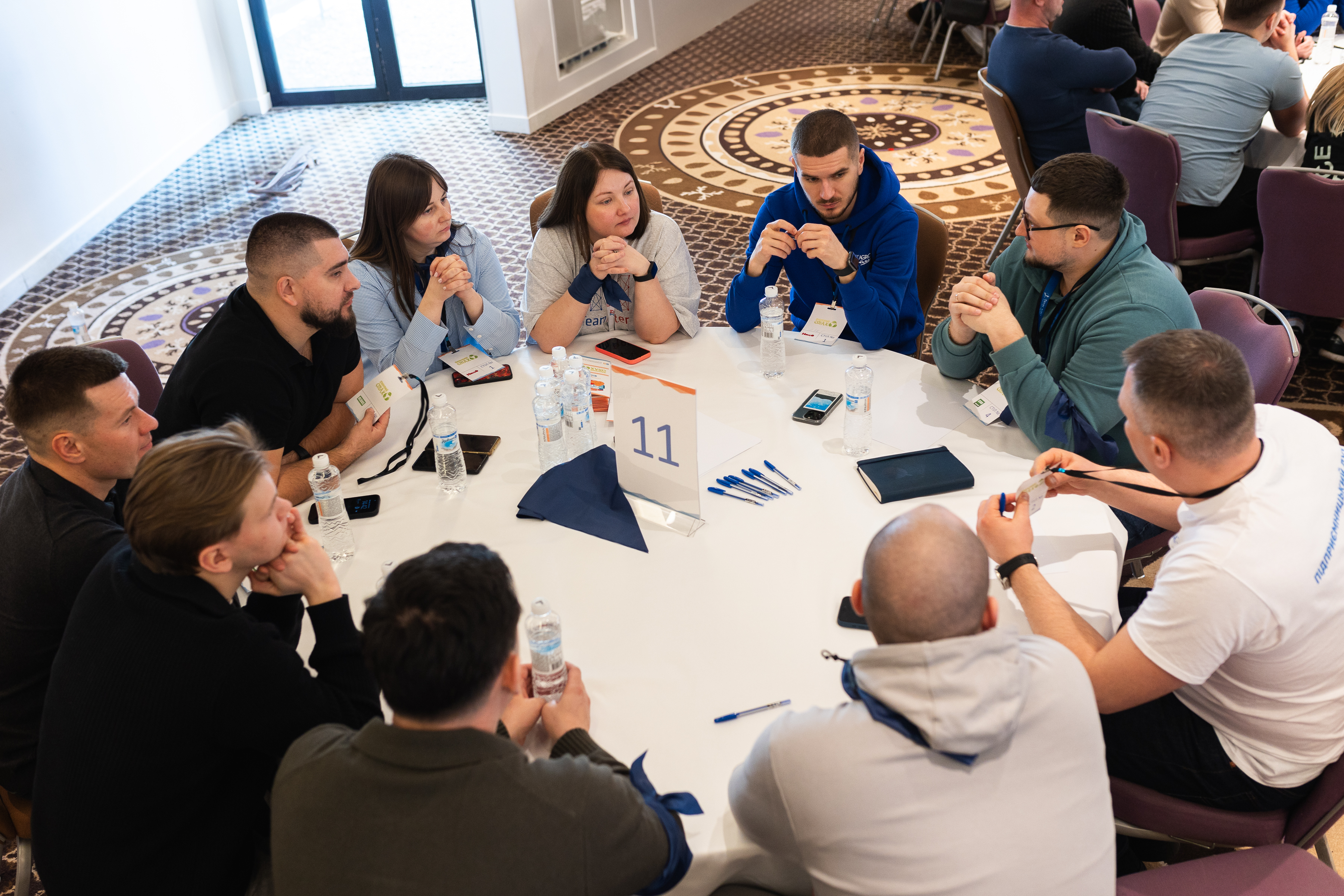
"Supermarkets & Households" is a negotiation-based business simulation game that immerses participants in the world of B2B sales. It’s a game about securing profitable deals, building partnerships, and protecting business interests in a highly competitive environment. Participants take on the roles of major market players: some represent supermarket chains, others — households.
Legend:
The new business year is beginning. The market is full of competition for the best partnerships.
Supermarkets aim to strike deals with reliable suppliers, obtain a wide product range, and secure the best possible terms.
Households, in turn, seek to get their products onto as many store shelves as possible while negotiating contracts that serve their own interests.
Game Format:
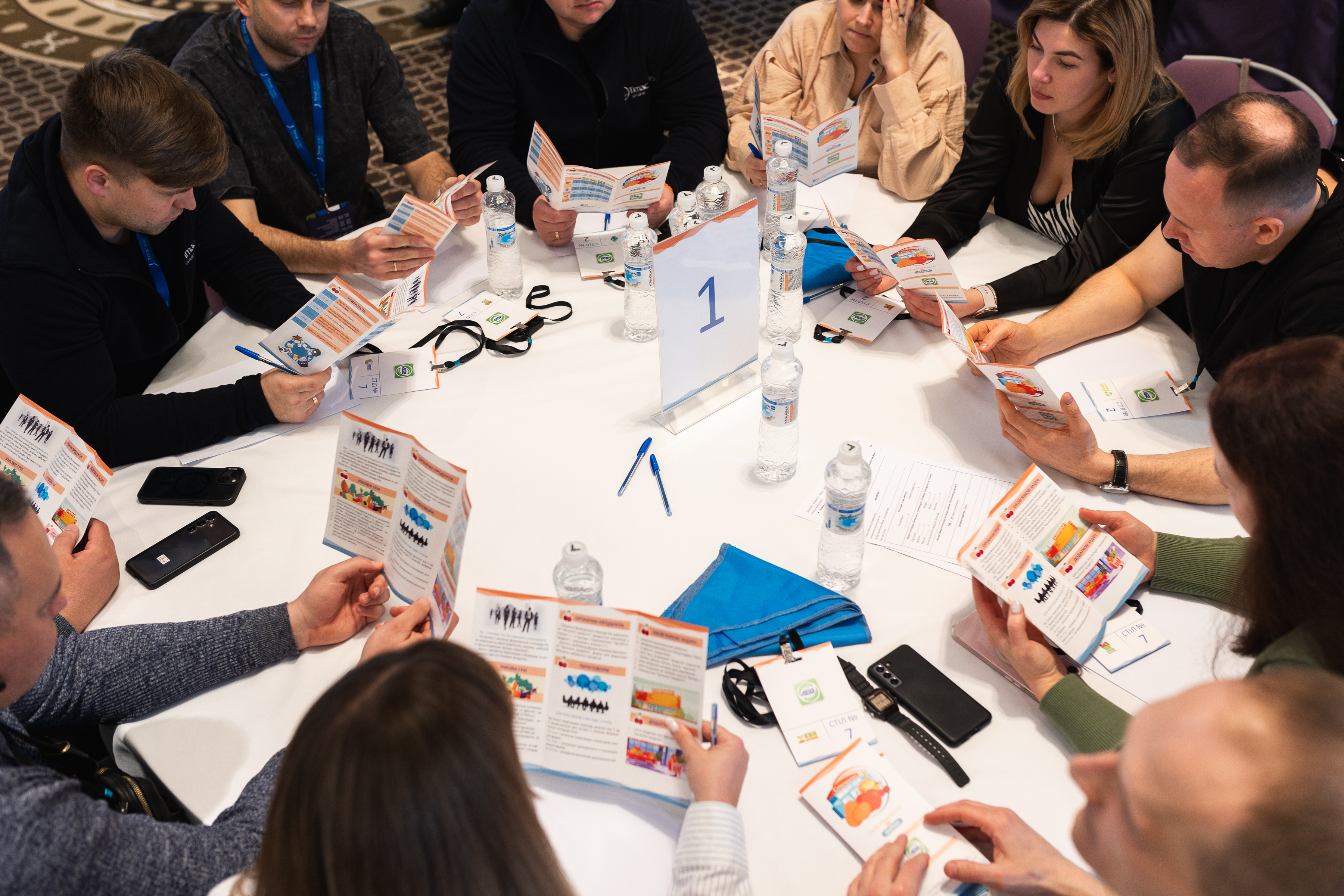
– Participants are divided into two groups: supermarkets and households (in teams).
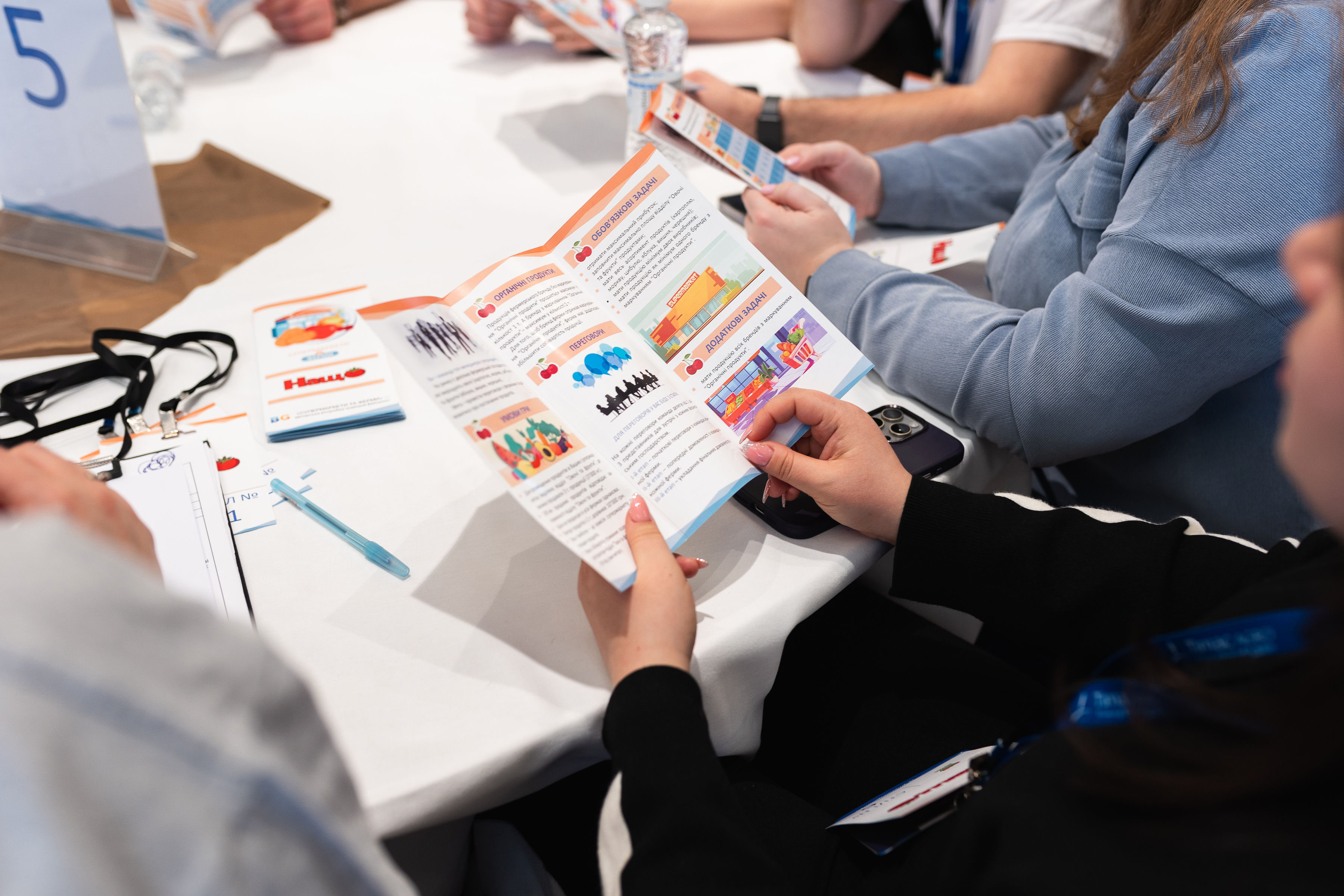
– Each team receives starting conditions: goals, priorities, resources, and criteria for a “successful” deal.
– The game proceeds through a series of negotiation rounds, formatted as B2B meetings.
– Teams negotiate terms of cooperation — discussing volume, pricing, exclusivity, logistics, delivery schedules, and more.
– At the end of the game, all deals are recorded, results summarized, and the most successful supermarkets and households are recognized.
Pricing request
Participant Objectives:
– Conduct skilled negotiations, adapting to each partner's needs.
– Secure the most favorable conditions for their own team.
– Demonstrate flexibility, strategic thinking, and a partnership-oriented mindset.
Game Focus:
– Sales and procurement.
– Business negotiations.
– B2B relationship building.
– Team strategy and communication.
Game Goal:
Become the most successful team in the market — either the most profitable supermarket or the most effective households. Ideally — close the greatest number of deals on the most advantageous terms.
Key Features:
- Flexible scenario: the game can easily be adapted to any market (e.g., pharmacies and pharmaceutical companies, distributors and manufacturers, etc.).
- A training tool for practicing negotiation skills in a realistic, competitive business setting.
- Role-based dynamics that push participants to develop strategic approaches tailored to each counterpart.


