
Team Building Trends for 2026: Which Formats Truly Bring Teams Together
In 2026, team building has long stopped being just an “outing into nature” or a set of fun activities for employees. Companies expect much more from team events: strengthening trust, improving communication, supporting hybrid teams, reducing burnout, and developing leadership. This is logical: modern teams work faster, more autonomously, and in more complex conditions than they did a few years ago, and the very format of team interaction has changed significantly.
At the same time, business needs are changing as well. What comes to the forefront is not abstract “corporate entertainment,” but team building that solves specific tasks: improving interaction between departments, bringing together new employees, giving teams a shared experience of decision-making, reducing the distance between office and remote work, and restoring people’s sense of engagement. This is especially relevant against the backdrop of declining employee engagement and the growing need for manager development, role clarity, and a sense of support at work.
That is why team building trends in 2026 are not about fashion for fashion’s sake. They are about new formats of team events that help businesses maintain strong, vibrant, and effective teams.
1. Business games are replacing “just entertainment”
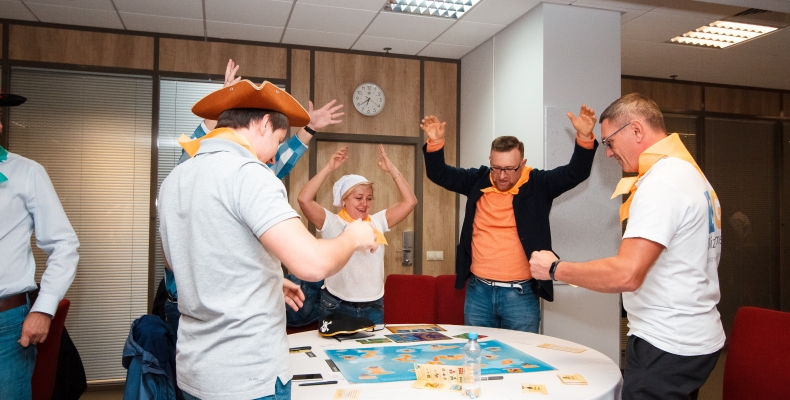
In 2026, companies are increasingly choosing business games for teams instead of abstract activities with no connection to work reality. The reason is simple: employers need team building that delivers emotion, engagement, and practical value at the same time.
That is why demand is growing for formats where people:
For companies, this means that business games, serious team building, and team diagnostics have much higher value than simply “active leisure for the group.”
2. Team building for psychological safety and restoring team energy
In 2026, one of the most visible trends is team building aimed at creating psychological safety within the team. While many companies previously looked mainly for active, competitive, or purely entertaining formats, there is now growing demand for programs that help people relax, reconnect with one another, reduce tension, and restore the team’s sense of support.
This format works especially well for:
Trending formats include soft, engaging, and emotionally safe team activities without harsh competition, but with room for shared experience, creativity, support, and recovery. Among TeamMaster’s programs, the most popular are:

Collaborative Painting
This format helps the team create a shared result without pressure or competition. Participants gradually join the process, interact at a comfortable pace, negotiate, support one another, and literally see how a single picture emerges from everyone’s contribution. This kind of creative team building works well for cohesion, stress reduction, and creating a sense of “we.”

Chorotherapy
A format that allows the team to go through a powerful emotional experience through voice, breathing, rhythm, and shared sound. This is not about vocal skills, but about relaxation, connection, emotional release, and a sense of unity. Team building for employees in this format helps relieve stress, switch away from work tension, and create a warmer atmosphere in the group.

Drum Circle
One of the strongest formats for team synchronization, tension release, and energy recovery. A shared rhythm quickly brings participants into one process, helps them step out of overload, and creates a sense of community without the need for complex words or formal discussions. This modern team building format combines emotion, drive, and deep team impact.
3. Corporate social responsibility is becoming part of team events
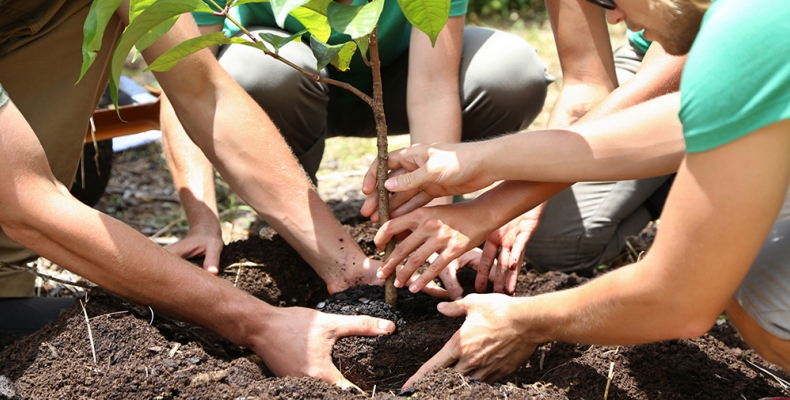
In 2026, more and more companies want corporate events to have not only internal, but also external value. Hence the growing interest in formats where team building is combined with corporate social responsibility, environmental initiatives, charity, or socially useful activities.
This approach creates a double effect:
- the team does something together;
- people feel meaning and a shared contribution.
For the employer brand, this also works better than just an entertainment event, because it combines emotion, team interaction, and company values.
4. Short modules instead of one “big celebration”
Another noticeable trend is the shift from one large annual event to a series of shorter team formats throughout the year. This is practical for several reasons:
- it is easier to fit into the work schedule;
- the barrier to participation is lower;
- the long-term effect is stronger.
Companies understand that one large-scale event is difficult to “convert” into lasting changes in team behavior. By contrast, a series of thoughtful modules — for example, diagnostics, a business game, and a seasonal outdoor activity — produces better results.
5. Team diagnostics before team building is the new quality standard
In 2026, more and more companies want to know not just “what kind of event we’ll have,” but why exactly this format is needed for the team. Because of this, the trend toward team diagnostics before running a team-building event is getting stronger.
This approach helps:
- identify bottlenecks in interaction;
- understand where the team lacks coordination;
- determine the level of trust and engagement;
- avoid spending budget on a format that does not solve the problem.
This is especially important for leaders, HR, and People Partners who are looking not just for “team-building ideas,” but for solutions with a tangible effect.
__________
Team building trends in 2026 show a very clear shift: from formal corporate parties to meaningful team solutions. The focus is now not on “entertaining people,” but on helping them work better together. That is why business games, wellbeing formats, CSR activities, and team diagnostics are coming to the forefront.
For companies, this means one thing: if you are planning team building for employees in 2026, it is worth choosing not just a popular format, but a scenario that gives the team real shared experience and supports trust, communication, and interaction. These are the kinds of events that stay in people’s memory and deliver results much longer than one bright day on the calendar.
Feedback from grateful TeamMaster customers


